


How to Plan Shia Umrah from the UK: A Practical Guide for First-Time Travellers
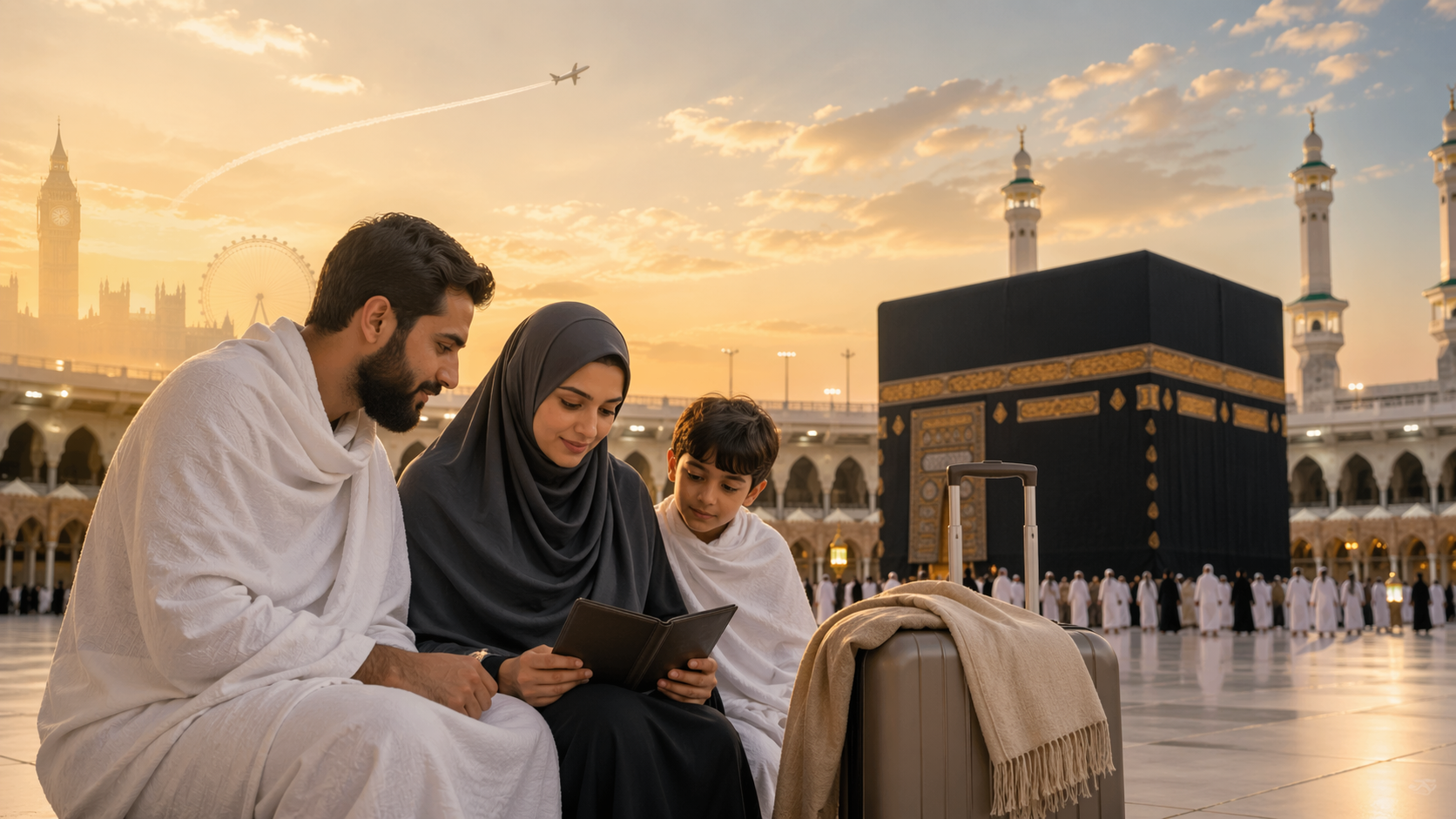
For many Muslims in the UK, Umrah is not only a journey of worship but also a deeply personal spiritual milestone. For Shia travellers in particular, planning Umrah often involves a few additional considerations. Alongside the usual questions about visas, flights, accommodation, and budget, many pilgrims also want clarity on religious practice, ziyarat opportunities, suitable travel support, and how to make the trip spiritually fulfilling rather than rushed or confusing.
This is especially true for first-time travellers, families with children, elderly parents, and those hoping to combine Umrah with visits to significant Islamic sites. A well-planned trip can reduce stress and help pilgrims focus on worship, reflection, and devotion. A poorly planned one can lead to unnecessary confusion, physical strain, and missed spiritual opportunities.
That is why careful preparation matters.
Understanding the Needs of Shia Umrah Travellers
At its core, Umrah remains a sacred act of worship shared by the wider Muslim community, and many of its fundamental elements are well known. However, Shia travellers often want greater reassurance when it comes to practical details and religious confidence during the journey.
Some common concerns include:
-
understanding how to prepare in a way that aligns with one’s beliefs
-
travelling with companions or organisers who appreciate Shia sensitivities
-
making time for ziyarat and spiritually meaningful visits
-
choosing hotel locations that reduce unnecessary physical hardship
-
ensuring elderly family members or children can manage the journey comfortably
-
avoiding a rushed, purely transactional travel experience
For many people, these concerns are not about making the journey complicated. They are about making it more thoughtful, more organised, and more spiritually beneficial.
Why First-Time Travellers Often Feel Overwhelmed
Planning Umrah from the UK can feel simple on the surface. Book flights, arrange a visa, secure accommodation, and prepare for the rituals. But in reality, first-time pilgrims often discover that the details matter far more than expected.
A package that looks affordable may involve inconvenient hotel placement, difficult transport arrangements, or a schedule that leaves little room for rest. Families may realise too late that walking distances are longer than they assumed. Elderly travellers may struggle if the journey is built around speed rather than comfort. Those hoping for a spiritually reflective trip may end up on an itinerary that feels rushed from beginning to end.
This is where planning with care becomes essential. The best Umrah preparation is not only about getting to Makkah and Madinah. It is about creating the conditions for ibadah with peace of mind.
The Importance of Practical Planning Before Departure
A strong Umrah journey begins long before departure. Pilgrims should think through more than price alone.
Important planning factors include:
1. Accommodation location
Being close to the Haram can make a major difference, especially for older pilgrims, families, and anyone hoping to attend prayers regularly without exhausting themselves.
2. Travel pace
Some itineraries may look efficient but are too intense in practice. A more balanced schedule often leads to a better experience than a packed one.
3. Group suitability
Not every travel arrangement suits every person. Some travellers need guided support. Others prefer more independence. Some are travelling with parents or children and need logistics that are genuinely family-friendly.
4. Spiritual aims
A pilgrim should ask: what do I want from this journey? If the answer includes reflection, ziyarat, learning, and calm worship, then the travel plan should support that.
Choosing the Right Travel Support
One of the most common mistakes people make is choosing a trip based almost entirely on price. Cost matters, of course, but it should not be the only deciding factor.
A better approach is to assess whether the package or arrangement actually suits the pilgrim’s needs. This includes:
-
hotel proximity
-
airport and local transport ease
-
group structure
-
time allocation in Makkah and Madinah
-
support for families or elderly travellers
-
understanding of Shia traveller concerns
For those trying to understand what to look for in a more tailored option, it can be useful to review a guide to Shia Umrah packages that explains the practical side of planning, including support, comfort, and spiritually relevant travel considerations.
Placed in the right context, the right kind of support can remove many of the uncertainties that first-time travellers worry about.
Combining Umrah with Ziyarat
For many Shia pilgrims, the journey is not only about completing Umrah but also about deepening their spiritual connection through ziyarat and reflection on Islamic history. This can make the trip much more meaningful, but it also requires planning.
A rushed itinerary can leave little time for these moments. Long transfers, inconvenient hotel placement, poor organisation, or fatigue can all reduce the quality of the experience. On the other hand, a well-planned journey allows pilgrims to approach ziyarat with proper presence of mind rather than as an afterthought squeezed between logistical pressures.
This is one reason why thoughtful planning matters so much. Spiritual intention should not be undermined by poor travel design.
Planning for Families, Women, and Elderly Travellers
Different travellers have different needs, and Umrah planning should reflect that reality.
Families with children
Parents need practical convenience more than idealised promises. Hotel distance, room arrangements, transport, meal access, and walking demands all matter. Children can become overwhelmed quickly, and a poorly structured journey may create stress for the whole family.
Women travellers
Women often value clarity, dignity, and proper preparation when travelling for Umrah. Good planning helps reduce uncertainty and ensures that the journey feels spiritually focused rather than chaotic.
Elderly pilgrims
Older travellers may be physically capable of completing Umrah, but they often need a gentler pace, less walking, and more rest. Small planning improvements can make a major difference to their experience.
In all these cases, “cheap” is not always economical if it leads to physical exhaustion, confusion, or a diminished spiritual experience.
Common Mistakes to Avoid
There are several mistakes that repeatedly affect first-time pilgrims:
Booking too quickly
Some travellers rush into a booking because a deal appears attractive. They only later realise that the hotel is inconveniently located or the travel schedule is exhausting.
Ignoring comfort and access
People often underestimate how important ease of access is in Makkah and Madinah, especially when worship, crowds, and repeated movement are involved.
Treating all packages as the same
Packages can vary significantly in real value even if they look similar on paper.
Focusing only on cost
Budget is important, but a slightly better planned trip may offer much greater overall value.
Not preparing spiritually
Practical arrangements matter, but so does mental and spiritual preparation. Pilgrims should take time to learn, reflect, and set intentions before departure.
How to Make the Journey More Meaningful
A meaningful Umrah is rarely the result of chance. It is usually the result of good intention combined with good preparation.
Some simple ways to improve the experience include:
-
preparing mentally before travel, not only administratively
-
learning the key steps of the journey in advance
-
discussing expectations with family members before departure
-
choosing arrangements that allow time for reflection
-
avoiding unrealistic itineraries
-
prioritising peace, access, and spiritual focus over surface-level deals
The goal should not merely be to “complete the trip.” It should be to complete it in a state of presence, dignity, and devotion.
Final Thoughts
For Shia Muslims in the UK, Umrah planning often carries both practical and spiritual depth. The journey is not simply about reaching a destination. It is about preparing properly, travelling wisely, and protecting the spiritual purpose of the pilgrimage.
A thoughtful Umrah plan considers worship, comfort, timing, support, and the needs of the people making the journey. Whether travelling alone, with family, or with elderly parents, the best outcomes usually come from choosing an arrangement that serves the pilgrim rather than forcing the pilgrim to struggle through poor planning.
When approached properly, Umrah can become not just a journey completed, but a memory and transformation carried for life.
References


 Arabic
 French
 Spanish
 Portuguese
 Deutsch
 Turkish
 Dutch
Dutch
 Italiano
 Russian
 Romaian
 Portuguese (Brazil)
 Greek
Greek
