


How to Protect Your Baby from Evil Eye
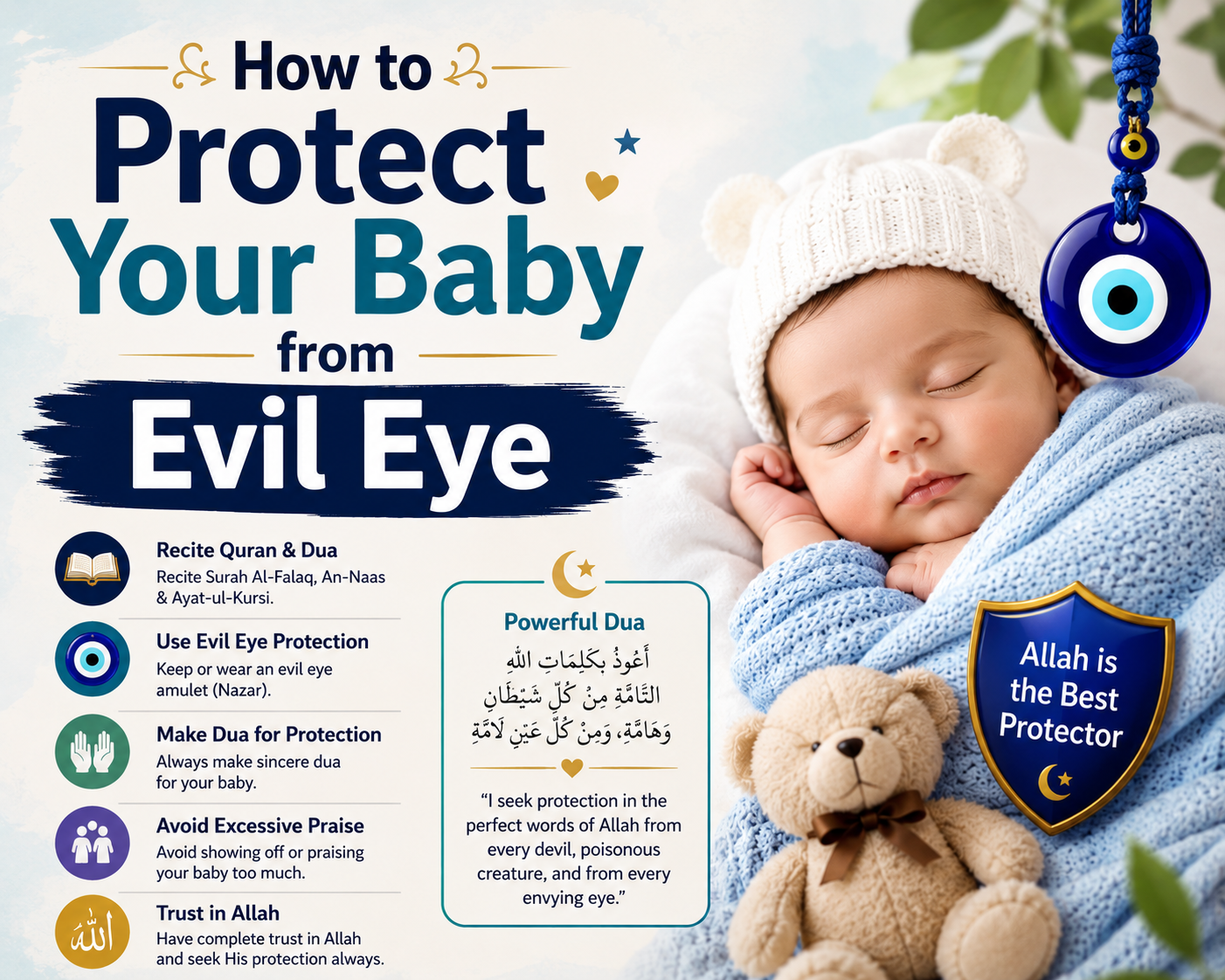
The belief in the evil eye exists in many cultures and has been passed down for generations. It refers to the idea that a person can unintentionally cause harm through envy or excessive admiration. Babies, being delicate and innocent, are often considered more vulnerable. That’s why many parents turn to protective practices like reciting a Nazar ki dua for baby and making nazar ki dua part of their daily routine to ensure their child’s safety. This article will guide you through both traditional beliefs and practical parenting approaches to protect your little one.
What is the Evil Eye?
The evil eye is commonly described as negative energy that affects a person due to jealousy or admiration. In the case of babies, it is believed that their purity makes them more open to such influences.
Different societies explain this concept in their own way—some view it as spiritual harm, while others consider it emotional or psychological. Regardless of interpretation, the concern is always about protecting the child’s health and happiness.
Common Signs to Watch For
Some parents associate certain behaviors with the effects of the evil eye, including:
-
Excessive or unexplained crying
-
Disturbed sleep patterns
-
Sudden lack of appetite
-
Irritability without clear reason
However, these symptoms can also be normal for babies, so it’s important to stay observant and not jump to conclusions.
Simple Ways to Prevent It
You can take a few easy steps to create a sense of safety around your baby:
-
Keep the surroundings peaceful and comfortable
-
Avoid too much public exposure, especially in early months
-
Be mindful when others overly admire your baby
These habits help maintain a calm environment, which is beneficial regardless of belief.
Spiritual Ways to Protect Your Child
Spiritual practices are a key part of protection for many families. Reciting a Nazar e bad ki dua for child along with nazar ki dua is commonly recommended. Some helpful practices include:
-
Daily recitation of protective duas
-
Reading verses like Surah Al-Falaq and Surah An-Nas
-
Making nazar ki dua a consistent habit for your baby’s protection
These actions provide emotional peace and strengthen faith.
Cultural and Traditional Practices
In addition to prayers, many traditions include physical symbols of protection, such as:
-
Using protective charms or threads
-
Placing symbolic items near the baby
-
Following rituals passed through generations
While these are meaningful culturally, they should be practiced with understanding rather than fear.
Importance of Daily Care
Beyond beliefs, proper care plays a major role in your baby’s well-being:
-
Maintain cleanliness and a regular routine
-
Give your baby love, attention, and comfort
-
Stay relaxed, as babies often reflect parental emotions
Along with good care, regularly reciting nazar ki dua can give parents additional peace of mind.
Don’t Ignore Medical Needs
It is crucial to differentiate between belief and actual health issues. If your baby experiences:
-
Continuous crying
-
Fever or illness
-
Feeding or sleeping problems
Consult a healthcare professional immediately. Medical care should always come first, even if you are also practicing nazar ki dua for spiritual protection.
Conclusion
Believing in the evil eye is part of many cultural traditions, but caring for your baby goes beyond that. A balanced approach combining faith, awareness, and proper care—ensures your child grows up safe and healthy.
In the end, your love, attention, and responsibility are the most powerful protections your baby can have.

 Arabic
 French
 Spanish
 Portuguese
 Deutsch
 Turkish
 Dutch
Dutch
 Italiano
 Russian
 Romaian
 Portuguese (Brazil)
 Greek
Greek
