


Benefits of Hiring a Remote Patient Care Coordinator
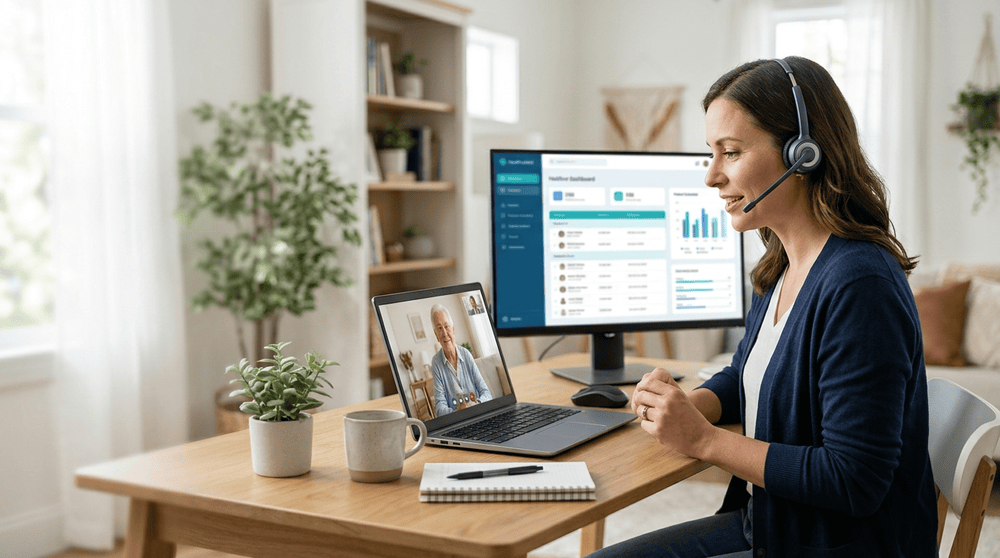
Managing a healthcare practice requires more than providing medical treatment. Healthcare professionals also need to handle appointment scheduling, patient communication, medical documentation, follow-up reminders, and daily administrative responsibilities. When these tasks increase, doctors, nurses, and office employees may find it difficult to manage everything efficiently. Hiring a remote patient care coordinator can help healthcare organizations organize these activities while improving the overall patient experience.
Remote healthcare support has become a practical solution for clinics, hospitals, and independent medical practices. With the help of digital communication platforms and healthcare management software, remote professionals can assist medical teams without working inside the facility. A healthcare virtual assistant can also manage routine remote patient care coordinator administrative responsibilities, organize patient information, and support daily office operations. These services help healthcare providers reduce administrative pressure and focus more on delivering quality patient care.
What Is a Remote Patient Care Coordinator?
A remote patient care coordinator is a professional who supports healthcare providers by managing patient-related administrative and coordination activities from a remote location. Their primary responsibility is to maintain communication between patients and healthcare teams while ensuring that routine administrative tasks are completed properly.
These professionals may handle appointment scheduling, patient inquiries, registration forms, follow-up reminders, and administrative documentation. They can also help patients understand basic office procedures and direct their questions to the appropriate medical departments.
Unlike traditional in-office employees, remote coordinators use digital tools to complete their responsibilities. This approach allows healthcare organizations to access professional administrative support without requiring additional physical office space.
Top Benefits of Hiring a Remote Patient Care Coordinator
Hiring remote patient coordination support can offer several advantages to healthcare organizations. From improving communication to managing daily administrative activities, these professionals can contribute to more organized healthcare operations.
Improved Patient Communication
Clear communication is essential for maintaining positive relationships between patients and healthcare providers. Patients often have questions about appointments, registration requirements, office procedures, and follow-up schedules.
A remote coordinator helps manage these inquiries through phone calls, emails, and approved communication platforms. They can provide general administrative information and direct medical questions to qualified healthcare professionals.
Timely communication helps patients feel informed and makes it easier for them to navigate healthcare services.
Reduced Administrative Workload
Healthcare professionals already manage demanding schedules. Handling incoming calls, appointment requests, documentation, and emails can take considerable time away from their primary responsibilities.
A remote patient care coordinator can manage assigned administrative activities, allowing in-house employees to concentrate on patient-facing duties and clinical operations.
This division of responsibilities can improve workplace organization and reduce unnecessary pressure on medical office staff.
Better Appointment Management
Appointment scheduling is one of the most important parts of healthcare administration. Poor scheduling can lead to missed appointments, communication problems, and delays in daily operations.
Remote coordinators help organize appointment calendars, confirm bookings, manage rescheduling requests, and send reminders to patients.
A structured scheduling process makes it easier for healthcare practices to manage available appointment times and maintain better communication with patients.
Flexible Staffing Solutions
Hiring additional full-time employees may not be suitable for every medical practice. Smaller clinics and independent healthcare providers may need administrative assistance without expanding their physical office teams.
Remote coordination services offer a flexible alternative. Healthcare organizations can arrange support according to their patient volume, operating hours, and administrative requirements.
This flexibility allows practices to manage their resources according to their changing needs.
How a Healthcare Virtual Assistant Supports Healthcare Providers
A healthcare virtual assistant provides remote administrative support to medical professionals and healthcare organizations. These assistants help manage routine office responsibilities and improve the organization of daily activities.
Patient Registration Assistance
Patient registration involves collecting basic information, organizing forms, and ensuring that required administrative details are available before appointments.
A virtual assistant can help patients complete digital registration procedures and organize submitted documents. This preparation can reduce delays and make the registration process more convenient.
Insurance and Billing Documentation
Healthcare billing and insurance administration often involve collecting information, organizing records, and checking basic details through authorized systems.
A trained assistant may help prepare administrative documents, organize billing information, and forward insurance-related questions to the appropriate department.
Complex billing decisions and insurance determinations should remain with qualified and authorized professionals.
Patient Follow-Up Coordination
Follow-up communication helps healthcare providers maintain contact with patients after appointments. Patients may need reminders about future visits, scheduled tests, or administrative instructions.
A coordinator can organize these reminders and contact patients according to the healthcare provider's approved procedures.
This process helps reduce communication gaps and keeps patients informed about upcoming administrative requirements.
How Remote Patient Coordination Improves Patient Experience
Patient experience is influenced by every interaction with a healthcare organization. From the first appointment request to post-visit communication, patients expect professional assistance and clear information.
A remote coordinator helps create a more organized experience by managing routine inquiries and ensuring that patient requests reach the appropriate employees.
For example, when a patient wants to change an appointment, the coordinator can check availability, update the schedule, and send confirmation. Similarly, patients who need help with registration forms can receive guidance through approved communication channels.
These small but important activities make healthcare services easier to access and help patients feel supported throughout their journey.
Important Skills to Look for When Hiring a Remote Patient Care Coordinator
Choosing the right professional is important for maintaining reliable administrative support. Healthcare organizations should look for candidates who understand patient communication and can manage different responsibilities efficiently.
Some important skills include:
-
Strong written and verbal communication.
-
Appointment scheduling and calendar management.
-
Knowledge of healthcare administrative procedures.
-
Familiarity with electronic health record systems.
-
Accurate data entry and documentation.
-
Professional telephone and email handling.
-
Time management and organizational abilities.
-
Understanding of patient privacy requirements.
-
Ability to work with digital healthcare platforms.
Previous healthcare administration experience can also be beneficial. A professional coordinator should understand their responsibilities and know when a patient inquiry needs to be transferred to qualified medical staff.
Is Hiring a Remote Patient Care Coordinator Cost-Effective?
Cost management is an important consideration for healthcare organizations. Maintaining a physical office team involves expenses related to salaries, office space, equipment, and other operational requirements.
Remote coordination services provide another staffing option for practices that need administrative assistance. Organizations can select working arrangements according to their workload and service requirements.
However, the overall cost depends on the provider's experience, working hours, service package, and responsibilities.
Healthcare practices should evaluate the quality of support alongside the price. Reliable communication, accurate documentation, professional patient interaction, and secure working procedures are important factors when choosing a remote service.
How to Choose the Right Remote Healthcare Support Provider
Before hiring a remote professional, healthcare organizations should evaluate their administrative requirements and identify the tasks that need additional support.
Start by reviewing the candidate's experience with healthcare administration, appointment management, and patient communication. It is also important to check their familiarity with electronic health record systems and other digital platforms used by the practice.
Data security should remain a priority throughout the hiring process. Healthcare organizations must establish appropriate access permissions, confidentiality agreements, training procedures, and secure communication methods according to applicable privacy regulations.
Clearly defined responsibilities also help prevent misunderstandings. Healthcare providers should explain working hours, reporting procedures, communication expectations, and performance standards before starting the arrangement.
Regular feedback can help maintain service quality and identify opportunities to improve administrative processes.
Why Remote Patient Coordination Is Important for Modern Healthcare
Modern healthcare organizations need efficient ways to manage increasing administrative responsibilities while maintaining positive patient relationships. Remote coordination provides an opportunity to distribute routine tasks between in-house teams and remote professionals.
With appropriate training and technology, coordinators can help healthcare providers manage appointment requests, organize records, and maintain consistent communication.
As digital healthcare services continue to develop, remote administrative support is likely to remain a useful option for organizations looking to improve operational efficiency.
The combination of trained professionals, secure technology, and organized procedures can help medical practices create a more convenient experience for patients and employees.
Conclusion
Hiring a remote patient care coordinator offers several benefits for modern healthcare organizations. These professionals help manage appointments, improve patient communication, organize follow-up activities, and reduce administrative workloads. Their support allows doctors, nurses, and other medical employees to spend more time focusing on patient care.
A healthcare virtual assistant can provide additional administrative assistance through registration support, documentation management, and routine office coordination. By selecting experienced professionals and maintaining proper security procedures, healthcare providers can create a more organized and efficient working environment while delivering better patient support.
Frequently Asked Questions
What are the main benefits of hiring a remote patient care coordinator?
The main benefits include improved patient communication, organized appointment scheduling, reduced administrative workload, flexible staffing, and better follow-up coordination.
Can a remote patient care coordinator work for a small clinic?
Yes. Small clinics can hire remote coordinators to manage administrative responsibilities without adding more in-office employees.
What tasks can a healthcare virtual assistant perform?
A healthcare virtual assistant can manage appointment scheduling, patient registration, email communication, administrative documentation, and follow-up reminders.
Does a remote patient care coordinator provide medical advice?
No. Their role generally focuses on administrative coordination. Medical questions and treatment-related decisions should be handled by appropriately qualified healthcare professionals.
How do healthcare providers benefit from remote administrative support?
Healthcare providers can save administrative time, improve workflow organization, manage patient communication, and allow medical teams to focus more on their clinical responsibilities.

 English
 Arabic
 French
 Spanish
 Portuguese
 Deutsch
 Turkish
 Dutch
 Italiano
 Russian
 Portuguese (Brazil)
 Greek
